
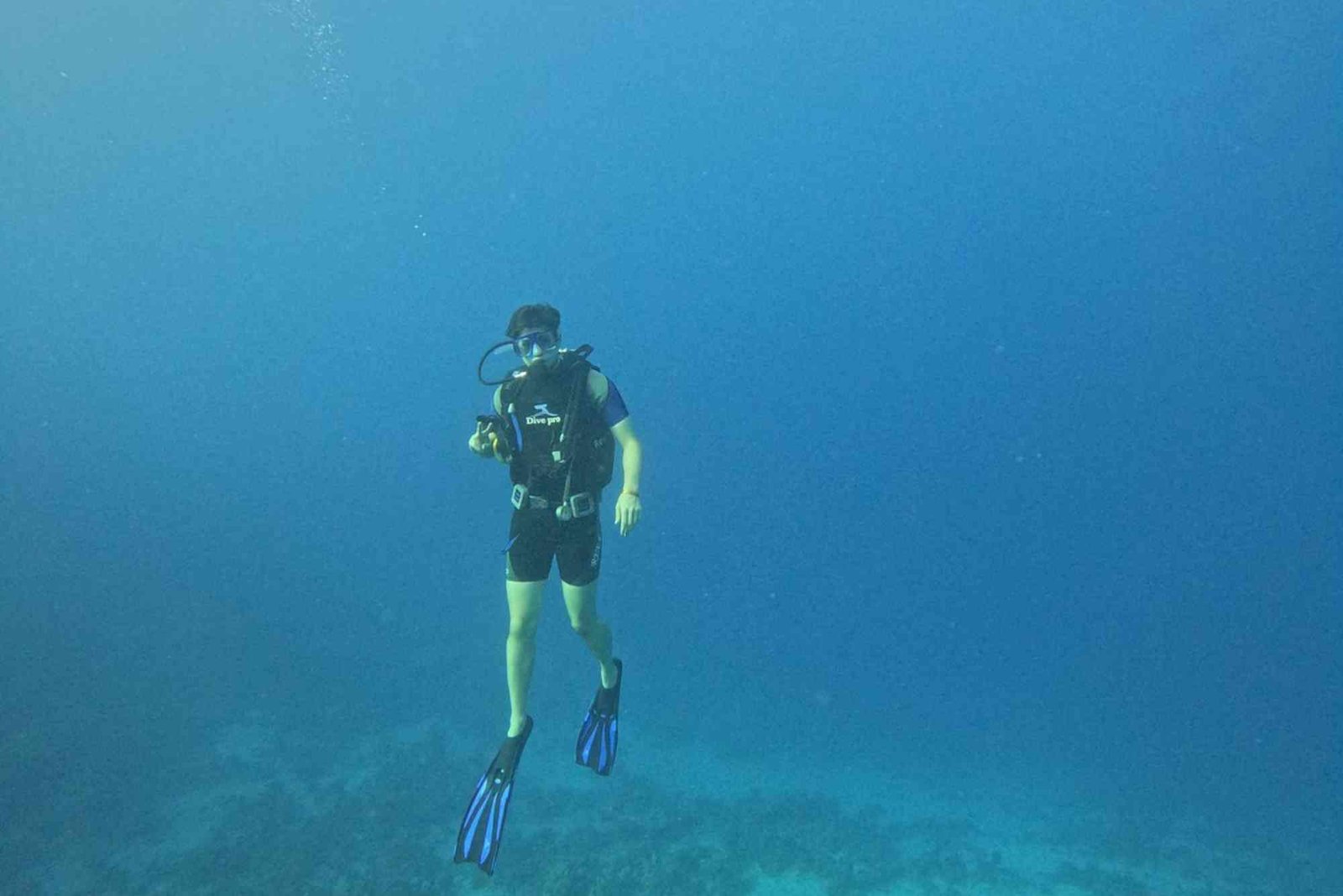
For many divers, Egypt is synonymous with Sharm El-Sheikh and Hurghada. Yet seasoned explorers often look further south, where the Red Sea reveals a quieter, more untouched side. Diving in Marsa Alam provides something increasingly difficult to find: unspoiled marine ecosystems, uncrowded dive sites, incredible megafauna encounters, and warm, crystal-clear waters suitable for all levels year-round. This guide highlights why Marsa Alam is considered one of the world’s top diving destinations and why it deserves a place on every diver’s bucket list.
What Is Marsa Alam and Where Is It Located?
Marsa Alam is a coastal town in Egypt’s South Eastern Desert, located about 220 kilometres south of Hurghada along the Red Sea coastline. Once a small fishing community, it has gradually developed into a tourism destination while maintaining much of its natural environment. Its distance from heavily developed resort areas has helped protect its reefs and marine life, allowing them to thrive in ways rarely seen further north.
Year-Round Diving Conditions
Marsa Alam stands out for its consistently excellent diving conditions throughout the year. Water temperatures range between 22°C in winter and 30°C in summer, making it comfortable in any season. Visibility is exceptional, often exceeding 30 metres and sometimes reaching 40 metres or more. Weather conditions are generally stable, with manageable winds and currents that allow dive trips to operate with minimal disruption.
Key conditions:
- Water temperature: 22–30°C year-round
- Visibility: Typically 25–40 metres
- Dive season: All year
- Currents: Usually mild to moderate
Best Time to Visit for Specific Marine Life
Although diving is possible all year, certain seasons offer better chances for specific marine encounters. Winter (November to February) is ideal for manta rays, while summer brings warmer waters and increased reef activity. Whale sharks may appear at different times of the year, while turtles and moray eels are present throughout all seasons.
Pristine and Diverse Coral Reef Ecosystems
The reefs of Marsa Alam are among the most intact and diverse in the Red Sea. With fewer visitors compared to northern destinations, they have been less affected by damage from anchors, pollution, and heavy diving pressure. Divers can enjoy dramatic coral formations, colorful reef structures, and dense marine life in an environment that feels truly untouched.

The Red Sea’s isolation has also led to a high number of endemic species, meaning many marine creatures found here cannot be seen anywhere else. This combination of unique and widespread species creates an underwater experience that remains exciting dive after dive.
Iconic and Unique Dive Sites
Elphinstone Reef
Elphinstone Reef is one of the most famous dive sites in the region. Rising sharply from deep water, it features steep walls covered in vibrant soft corals. It is especially known for pelagic species, including oceanic whitetip sharks, hammerheads, barracuda, and occasionally thresher sharks. While some areas are more suitable for advanced divers, others are accessible to intermediate levels.
Shaab Marsa Alam
Shaab Marsa Alam is a large reef system close to shore, suitable for all levels. It is home to green sea turtles, napoleon wrasse, and blue-spotted stingrays. Night dives here reveal a completely different underwater world filled with nocturnal marine life.
Dolphin House — Shaab Samadai
Shaab Samadai, commonly known as Dolphin House, is a protected reef famous for its resident spinner dolphins. This horseshoe-shaped reef serves as a resting and nursery area for these highly active animals. Encounters with dolphins here are among the most memorable experiences in the Red Sea. Strict regulations are in place to protect them, ensuring sustainable tourism. Even without dolphins, the reef offers excellent coral and abundant fish life.
Extraordinary Megafauna: From Dugongs to Sharks
The Dugong — A Rare and Unforgettable Encounter
Marsa Alam is one of the best places in the world to encounter the dugong (Dugong dugon). This gentle marine mammal, often called the “sea cow,” feeds in shallow seagrass areas. As a vulnerable species, sightings are rare globally, making the opportunity to observe a dugong in Marsa Alam particularly special.
Sea Turtles
Both green and hawksbill turtles are commonly seen in the area. They are often relaxed around divers, allowing for close encounters. During summer, nesting activity can also be observed along nearby beaches.
Sharks and Pelagic Species
The region is well known for shark diving. In addition to oceanic whitetips and hammerheads, divers may encounter grey reef sharks, whitetip reef sharks, leopard sharks, and occasionally whale sharks. This diversity reflects the overall health of the ecosystem.
Accessibility for All Diving Levels
Marsa Alam caters to divers of all experience levels. Shallow house reefs provide safe conditions for beginners and training dives, while more experienced divers can explore deeper offshore sites. This makes it an excellent destination for mixed groups.
Relatively Uncrowded Dive Sites
Compared to other Red Sea destinations, Marsa Alam remains less crowded. Dive sites are quieter, boats are fewer, and groups are smaller, creating a more relaxed and enjoyable experience. It is often possible to explore sites without large numbers of other divers.
Marine Conservation and Environmental Protection
The area is part of the Red Sea Protectorate, where regulations help protect marine life and coral reefs. Many dive operators follow environmentally responsible practices and support conservation initiatives.
Warm and Welcoming Dive Operators
Dive centers in Marsa Alam range from small boutique operations to larger professional facilities offering advanced diving services. Their local knowledge adds significant value, helping divers make the most of their experience.
Liveaboard Diving: Accessing Remote Wonders
Liveaboard trips provide access to remote sites such as St John’s Reef. These trips allow multiple dives per day and offer a unique way to explore less-visited areas of the Red Sea.
Beyond Diving: Complementary Activities in Marsa Alam
Visitors can also enjoy snorkeling, desert safaris, and trips to Wadi El Gemal National Park. Water sports such as kite surfing and windsurfing are also popular.
Practical Tips for Planning Your Marsa Alam Diving Trip
How to Get There
Marsa Alam International Airport receives direct flights from Europe. Alternatively, visitors can travel from Hurghada by road in about two and a half hours.
What to Pack
- 3mm wetsuit (summer) or 5mm (winter)
- Reef-safe sunscreen
- Underwater camera
- Diving certification and logbook
- Surface marker buoy (SMB)
Dive Insurance
Dive insurance such as DAN is recommended due to the distance to the nearest recompression facility in Hurghada.
Why Marsa Alam Should Be Your Next Dive Destination
Marsa Alam remains one of the few places where divers can still experience truly pristine conditions. With its rich marine life, excellent visibility, uncrowded sites, and strong conservation efforts, it offers a complete diving experience for all levels. Whether you are seeking large marine encounters or relaxed reef dives, Marsa Alam stands out as one of the Red Sea’s finest destinations.
Visit our official website for complete resources, updates, and useful information about our services and latest content. You can explore everything directly from the homepage for a better user experience. For quick access, use ka anchor text for internal linking: Setting AE Home. Click here to visit:
Related Reading: Sicily: Ultimate Guide to Etna Trekking, Baroque Tours & Sicilian Gastronomy
Related Reading: Ultimate Tech Shopping Guide for Eid Al Adha 2026: How to Score the Best Deals in the UAE