Introduction
Summer in the United Arab Emirates can be extremely challenging for dogs. Temperatures often rise above comfortable levels, while hot pavements and humidity create additional risks. Therefore, responsible pet owners must adjust their daily routines to protect their animals. Pet Care in UAE Summer: 7 Rules to Prevent Dangerous Heatstroke in Dogs is an important subject for anyone raising a dog in Dubai, Abu Dhabi, Sharjah, or other UAE communities.
Dogs cannot regulate their body temperature as efficiently as humans. They mainly cool themselves through panting and limited sweating through their paw pads. Consequently, extreme temperatures can quickly overwhelm their natural cooling systems. Heatstroke is a serious medical emergency that can cause organ damage or death without immediate treatment.
Fortunately, simple precautions can significantly reduce these risks. Providing fresh water, choosing suitable walking times, and maintaining comfortable indoor temperatures are essential. Understanding early warning signs is equally important. With the right approach, owners can make summer safer and more comfortable for their dogs.
Understanding the Risks of UAE Summer for Dogs
The UAE experiences intense summer temperatures, particularly between June and September. During this period, outdoor conditions can become dangerous within minutes. Furthermore, humidity can make it harder for dogs to release excess body heat.
Hot weather affects dogs differently depending on their breed, age, weight, and general health. Flat-faced breeds, including Pugs, Bulldogs, and French Bulldogs, face particularly high risks. Their shortened airways can make breathing and cooling more difficult.
Puppies and senior dogs also require additional attention. Their bodies may struggle to manage temperature changes effectively. Similarly, overweight dogs and pets with existing health conditions need extra protection.
Heatstroke develops when a dog’s body temperature rises beyond its ability to cool down. Without prompt veterinary treatment, it can damage vital organs. Therefore, understanding summer risks should become part of every owner’s regular pet care routine.
Rule 1: Schedule Outdoor Walks During Cooler Hours
Choosing the correct walking time is one of the most important summer precautions. During UAE summers, afternoon walks can expose dogs to dangerous temperatures. Hot pavement can also burn sensitive paw pads.
Early mornings and late evenings are generally safer options. However, owners should still check actual outdoor temperatures before leaving home. Even after sunset, some surfaces retain considerable heat.
Check Pavement Temperature Before Walking
A simple pavement test can help identify potential risks. Place the back of your hand against the walking surface. If you cannot comfortably hold it there for seven seconds, choose another route or avoid walking.
This test is only a basic precaution. It does not guarantee that pavement is safe. Asphalt, concrete, and artificial grass can become extremely hot under direct sunlight.
Choose Shorter Walking Sessions
Instead of long outdoor adventures, consider several short walks. Keep the pace relaxed and avoid strenuous activities. Always carry drinking water and watch your dog’s breathing.
Indoor games can replace outdoor exercise during particularly hot days. This approach helps maintain physical activity without unnecessary heat exposure.
Rule 2: Provide Fresh Drinking Water Throughout the Day
Hydration is essential for maintaining a dog’s normal body temperature. During hot weather, dogs may lose more moisture through panting. Therefore, fresh drinking water should always remain available.
Place several water bowls around your home. Keep them in shaded, accessible locations away from direct sunlight. Ceramic and stainless-steel bowls are practical choices because they are easy to clean.
Encourage Regular Water Consumption
Some dogs drink less water than expected. You can encourage hydration by refreshing their bowls regularly. Adding a little water to suitable wet food may also increase moisture intake.
For outdoor trips, carry a portable water bottle and collapsible bowl. Offer small drinks during breaks rather than waiting until your dog becomes thirsty.
Avoid forcing water into a distressed dog’s mouth. If your pet shows signs of heatstroke, contact a veterinarian immediately.
Rule 3: Maintain a Cool Indoor Environment
Air conditioning is particularly important for dogs living in the UAE. During extreme summer conditions, indoor temperatures can also become uncomfortable. Therefore, maintaining a cool living environment should be a priority.
Set your air conditioner to a comfortable temperature. Ensure your dog has access to ventilated rooms throughout the day. Never leave pets inside parked vehicles, even briefly.
Create a Comfortable Resting Area
Choose a quiet indoor location away from direct sunlight. Cooling mats can provide additional comfort during particularly hot days. However, always follow the manufacturer’s instructions.
Keep your dog’s sleeping area clean and well ventilated. Avoid thick blankets and heavy bedding during summer. Instead, provide breathable materials that allow comfortable resting.
Never Depend on Fans Alone
Fans can improve airflow, but they may not provide sufficient cooling during extreme heat. Dogs experiencing dangerous temperatures need a properly cooled environment.
If your air conditioning stops working, consider relocating your dog to a cooler, safe indoor location. Never leave your pet exposed to extreme heat while waiting for repairs.
Rule 4: Never Leave Your Dog Inside a Parked Car
Leaving a dog inside a parked vehicle is extremely dangerous. Temperatures inside cars can rise rapidly, even when windows are slightly open. Shaded parking spaces also offer insufficient protection.
A dog can develop heatstroke surprisingly quickly inside a vehicle. Consequently, running errands with your pet requires careful planning.
If your dog cannot accompany you inside a pet-friendly location, leave them safely at home instead.
Understand the Warning Signs
Excessive panting, restlessness, drooling, and weakness can indicate overheating. More serious symptoms include vomiting, collapse, confusion, and seizures.
Never wait for severe symptoms before seeking assistance. If you suspect heatstroke, contact an emergency veterinarian immediately.
Rule 5: Recognise the Early Signs of Heatstroke
Recognising heatstroke symptoms can save your dog’s life. Early intervention is essential because overheating can progress rapidly.
Initially, dogs may pant heavily and appear uncomfortable. Their breathing may become faster, while their behaviour changes noticeably.
As the condition progresses, symptoms can become more serious. Your dog might develop excessive drooling, vomiting, diarrhoea, weakness, or difficulty walking.
Watch for Serious Emergency Symptoms
Collapse, seizures, confusion, and unconsciousness indicate a potentially life-threatening emergency. Some dogs may also develop abnormal gum colour or severe breathing difficulties.
Do not assume your dog will recover after resting. Heatstroke can cause internal damage even after the body begins cooling.
What Should You Do During Suspected Heatstroke?
Immediately move your dog into an air-conditioned or shaded environment. Contact the nearest emergency veterinary clinic and explain the symptoms.
Begin gentle cooling with cool or room-temperature water. Apply it to the body, particularly the neck, abdomen, and inner thighs. Use airflow from a fan if available.
Avoid ice baths and extremely cold water because they can cause additional complications. Never wrap your dog in wet towels, as trapped heat can interfere with cooling.
Do not force your dog to drink if they are weak, confused, or unconscious. Follow the veterinarian’s instructions and travel for emergency treatment immediately.
Rule 6: Adjust Exercise, Grooming, and Daily Activities
Summer requires changes to your dog’s regular activity schedule. High-intensity exercise can increase body temperature quickly. Therefore, reduce strenuous activities during hot weather.
Indoor training sessions offer an effective alternative. Puzzle feeders, scent games, and interactive toys provide mental stimulation without excessive physical effort.
Choose Suitable Summer Grooming
Regular grooming helps maintain coat cleanliness and comfort. However, shaving every dog’s coat is not recommended. Double-coated breeds use their coats for insulation and protection against sunlight.
Instead, consult a professional groomer about suitable summer maintenance. Regular brushing can remove loose hair and prevent uncomfortable matting.
Keep nails trimmed and check paw pads for injuries. If your dog has sensitive skin, ask your veterinarian about appropriate grooming products.
Avoid Hot Outdoor Activities
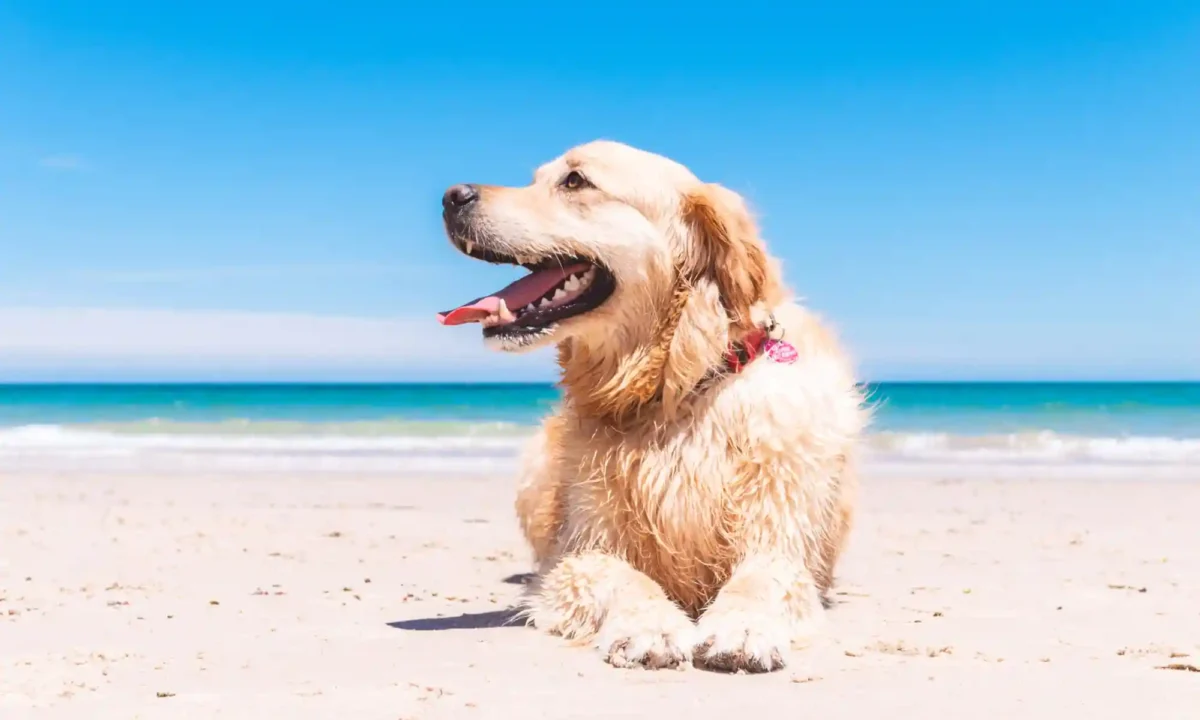
Running, cycling, hiking, and extended beach visits can become dangerous during UAE summers. Even dogs that enjoy outdoor adventures need seasonal adjustments.
Choose air-conditioned indoor activities whenever outdoor temperatures become excessive. Your dog’s health should always come before exercise targets.
Rule 7: Provide Extra Protection for High-Risk Dogs
Not every dog experiences heat in the same way. Certain breeds and health conditions increase vulnerability to heatstroke.
Flat-faced breeds are particularly sensitive because their breathing structures can limit effective cooling. Senior dogs may also have reduced tolerance for extreme temperatures.
Overweight dogs, puppies, and pets with heart or respiratory conditions require additional supervision.
Create an Individual Summer Care Plan
Speak with your veterinarian about your dog’s specific needs. Ask whether existing medications or medical conditions affect heat tolerance.
Plan shorter walks and monitor breathing during daily activities. Keep emergency veterinary contact information readily available.
For dogs with previous heatstroke episodes, extra caution is essential. Avoid unnecessary outdoor exposure and follow professional veterinary recommendations.
Additional Summer Safety Tips for Dogs in the UAE
Beyond these seven rules, several everyday precautions can improve summer comfort. Always provide shaded areas when outdoor access is unavoidable. However, remember that shade does not automatically make extreme temperatures safe.
Check water bowls several times daily. Clean them regularly to prevent bacterial growth. Replace water that becomes warm or contaminated.
Protect your dog’s paws from hot sand and pavement. Consider appropriate protective footwear when recommended by a veterinarian. However, boots should never encourage longer walks during dangerous conditions.
Avoid leaving pets on balconies during extreme heat. Artificial grass, tiles, and concrete surfaces can become uncomfortable. Ensure your dog can return to a cool indoor environment whenever necessary.
Finally, maintain regular veterinary checkups. Professional examinations help identify health problems that could increase heat-related risks.
Frequently Asked Questions
How can I keep my dog cool during UAE summer?
Keep your dog inside an air-conditioned environment during extreme heat. Provide fresh drinking water and cooling mats. Schedule short walks during cooler hours. Avoid strenuous outdoor activities and monitor your dog for overheating.
What temperature is too hot for dogs to walk outside?
There is no single safe temperature for every dog. Breed, humidity, sunlight, activity, and health conditions influence heat tolerance. In UAE summer, even moderate outdoor temperatures can become dangerous. Always check pavement conditions and avoid exercising during extreme heat.
What are the first signs of heatstroke in dogs?
Early signs include excessive panting, heavy drooling, restlessness, and weakness. Some dogs develop vomiting or diarrhoea. Severe cases may involve confusion, collapse, seizures, or unconsciousness. Contact a veterinarian immediately if heatstroke is suspected.
Can dogs stay outside during UAE summer?
Extended outdoor exposure is unsafe during extreme UAE temperatures. Dogs should have access to a cool indoor environment. Outdoor bathroom breaks should remain brief and supervised. Never leave dogs on hot balconies or in parked vehicles.
How often should dogs drink water during summer?
Dogs should have continuous access to fresh drinking water. Their individual requirements depend on size, activity, diet, and health. Monitor water availability throughout the day and contact a veterinarian if drinking habits change significantly.
Make Your Dog’s Summer Safer and Healthier
Responsible Pet Care in UAE Summer: 7 Rules to Prevent Dangerous Heatstroke in Dogs starts with understanding the dangers of extreme temperatures. Dogs depend on their owners to provide suitable environments, hydration, and protection.