
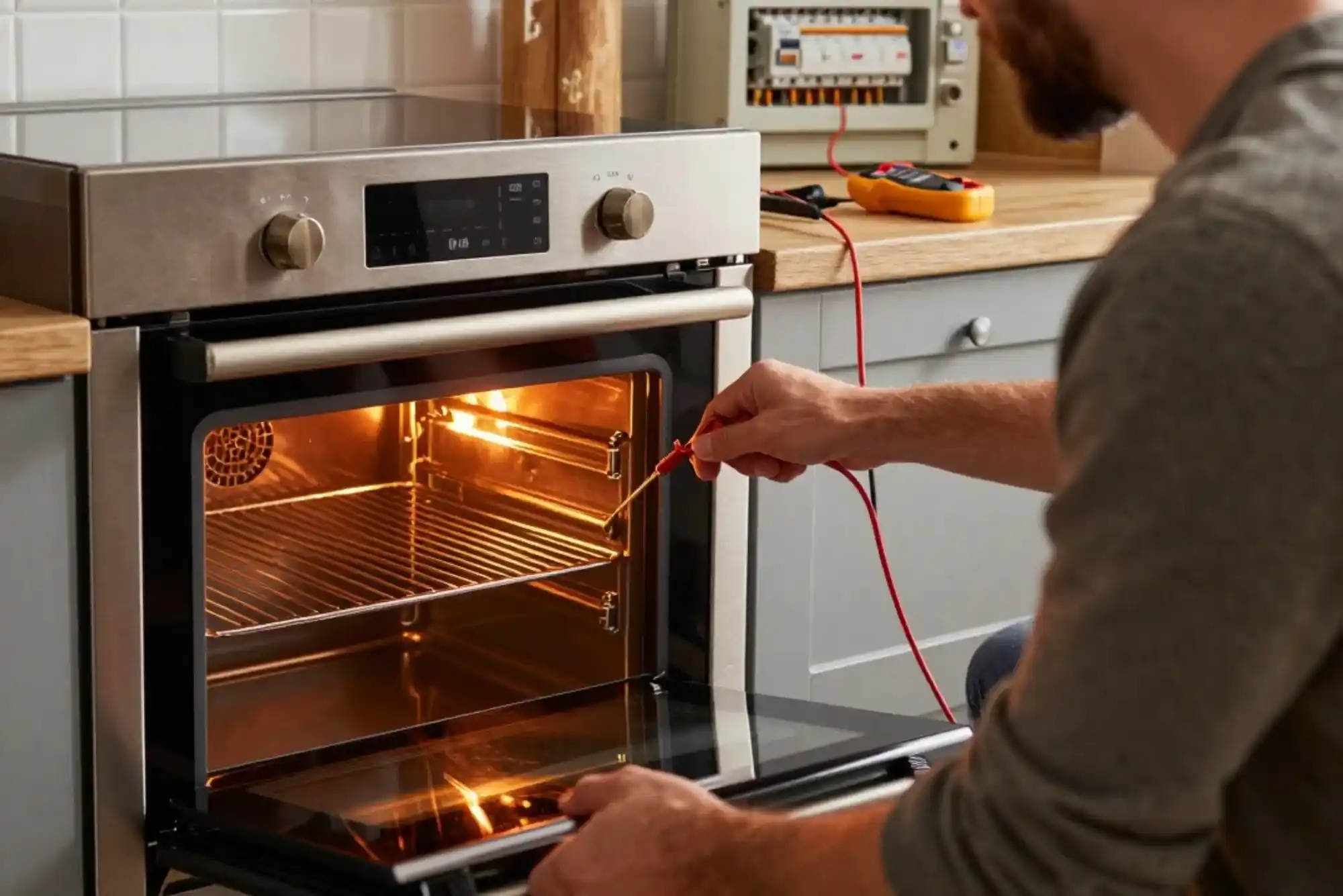
An oven is one of the most important appliances in any modern kitchen, whether it is used for daily cooking or occasional baking. When an oven fails to reach or maintain the correct temperature, it can disrupt meal preparation, ruin recipes, and create unnecessary frustration. The oven low temperature problem is a common issue faced by homeowners and businesses alike, and it often develops gradually, making it harder to notice until cooking results are clearly affected. Food may take longer to cook, baked items may remain underdone, or temperature-sensitive dishes may fail completely. Understanding why this problem occurs and how professional oven repair can restore proper performance is essential for maintaining both convenience and safety in the kitchen.
How an Oven Regulates Temperature
To understand why an oven may not heat properly, it is important to know how temperature regulation works. Modern ovens rely on a combination of heating elements, sensors, thermostats, and control boards to maintain a stable internal temperature. When a user sets a desired temperature, the oven activates the heating elements until the internal sensor detects that the correct heat level has been reached. The system then cycles the heat on and off to maintain consistency. If any component in this process malfunctions, the oven may fail to reach the set temperature or may lose heat too quickly. This imbalance leads directly to low-temperature performance issues that require professional attention from experienced oven repair technicians.
Common Causes of Low Temperature in Ovens
The oven low temperature problem can arise from multiple underlying issues, many of which are not immediately visible to the user. A faulty thermostat is one of the most frequent causes, as it may incorrectly sense the oven’s internal temperature and signal the heating elements to turn off prematurely. In other cases, worn or damaged heating elements may not generate sufficient heat even when functioning. Electrical problems, such as loose wiring or voltage irregularities, can also prevent the oven from operating at full capacity. Over time, grease buildup, poor ventilation, and general wear and tear contribute to reduced efficiency. Identifying the exact cause requires technical knowledge and diagnostic tools typically used by professional oven repair specialists.
Impact of Incorrect Oven Temperature on Cooking
When an oven consistently operates at a lower temperature than selected, the quality of food preparation is significantly affected. Baking relies heavily on precise temperature control, and even small variations can change texture, flavor, and appearance. Cakes may not rise properly, meats may cook unevenly, and frozen foods may remain partially uncooked. In commercial or high-use kitchens, these issues can lead to wasted ingredients and increased operational costs. For households, it results in inconvenience and reduced confidence in the appliance. Addressing the problem through timely oven repair ensures consistent cooking results and preserves the intended performance of the appliance.
Signs That Your Oven Has a Low Temperature Issue
Many users initially overlook the early warning signs of an oven low temperature problem. Extended cooking times are often the first indication, followed by uneven browning or incomplete cooking. In some cases, the oven may appear to function normally but fails to match the displayed temperature with actual internal heat levels. Digital displays may show the correct temperature while the interior remains cooler than expected. These symptoms often worsen over time, making professional intervention increasingly necessary. Trusted service providers like albarouda home applinces repair are trained to identify these signs early and prevent further damage.
Why Professional Oven Repair Is Essential
Attempting to fix oven temperature problems without proper training can be risky and ineffective. Ovens involve electrical components, gas connections, and sensitive control systems that require specialized handling. Incorrect repairs may worsen the problem or create safety hazards such as electrical shorts or gas leaks. Professional oven repair technicians have the expertise to diagnose issues accurately and apply long-lasting solutions. They use calibrated tools to test temperature accuracy, inspect internal components, and ensure that repairs meet safety standards. Choosing professional repair services helps extend the lifespan of the oven and ensures reliable performance.

Role of Temperature Sensors and Thermostats
Temperature sensors and thermostats play a critical role in maintaining accurate oven heat levels. Over time, these components may drift out of calibration or fail entirely. When this happens, the oven receives incorrect temperature readings and adjusts heating cycles improperly. This leads to persistent low temperature conditions even when the appliance appears to be working. Replacing or recalibrating these components is a delicate process that should be handled by experienced oven repair professionals. Reliable service providers understand how to match replacement parts with specific oven models, ensuring compatibility and optimal performance.
Electrical and Control Board Issues
Modern ovens rely heavily on electronic control boards to manage heating functions. A malfunctioning control board may fail to send proper signals to the heating elements, resulting in insufficient heat. Electrical issues such as damaged wiring, aging connectors, or power supply fluctuations can also contribute to low temperature problems. These faults are often hidden behind panels and require careful inspection. Professional technicians from albarouda home applinces repair are equipped to handle these complex repairs safely, restoring the oven’s ability to maintain accurate temperature control.
Preventive Maintenance and Temperature Accuracy
Preventive maintenance plays an important role in avoiding oven low temperature problems. Regular cleaning prevents grease and debris from interfering with heat circulation, while periodic inspections help detect early signs of component wear. Calibration checks ensure that temperature sensors and thermostats remain accurate over time. Professional oven repair services often include maintenance recommendations tailored to the specific appliance model and usage patterns. By investing in routine care, homeowners can reduce the likelihood of sudden performance issues and costly repairs.
Energy Efficiency and Performance Concerns
An oven that operates at low temperature is not only inconvenient but also inefficient. Extended cooking times result in higher energy consumption, increasing utility costs over time. The appliance may run longer cycles to compensate for heat loss, placing additional strain on internal components. This reduces overall efficiency and accelerates wear. Proper oven repair restores optimal energy usage, allowing the appliance to heat efficiently and maintain stable temperatures. Efficient performance benefits both the user and the environment by reducing unnecessary energy waste.
Safety Risks Associated with Low Temperature Ovens
While low temperature issues may seem less dangerous than overheating, they still pose safety concerns. Undercooked food can present health risks, especially when preparing meat or poultry. Electrical faults causing temperature inconsistencies may also indicate deeper wiring problems that could escalate into serious hazards if ignored. Professional oven repair ensures that all safety systems function correctly and that the appliance meets operational standards. Reliable service providers prioritize safety alongside performance, giving users peace of mind.
Choosing the Right Oven Repair Service
Selecting the right repair service is crucial when dealing with oven temperature problems. Experience, technical expertise, and knowledge of various oven brands all contribute to effective repairs. albarouda home applinces repair has built a reputation for handling complex appliance issues with precision and professionalism. Skilled technicians assess the root cause of the problem rather than applying temporary fixes, ensuring long-term reliability. Choosing a trusted service provider minimizes downtime and protects the investment made in the appliance.
Long-Term Benefits of Timely Oven Repair
Addressing an oven low temperature problem early offers several long-term benefits. Timely repairs prevent further damage to internal components and help maintain consistent cooking results. The oven operates more efficiently, reducing energy costs and extending its usable lifespan. Regular professional intervention also helps identify potential issues before they become major failures. With expert oven repair, users can rely on their appliance for daily use without constant performance concerns.
The oven low temperature problem is a common but serious issue that affects cooking quality, energy efficiency, and overall appliance reliability. Understanding the causes, recognizing early warning signs, and seeking professional oven repair are essential steps toward restoring proper performance. Experienced service providers like albarouda home applinces repair offer the technical expertise needed to diagnose and resolve temperature issues safely and effectively. By investing in professional repair and preventive maintenance, users can ensure that their ovens operate at the correct temperature, deliver consistent results, and remain dependable for years to come.
Related Reading: Oven Service Center Near Me