
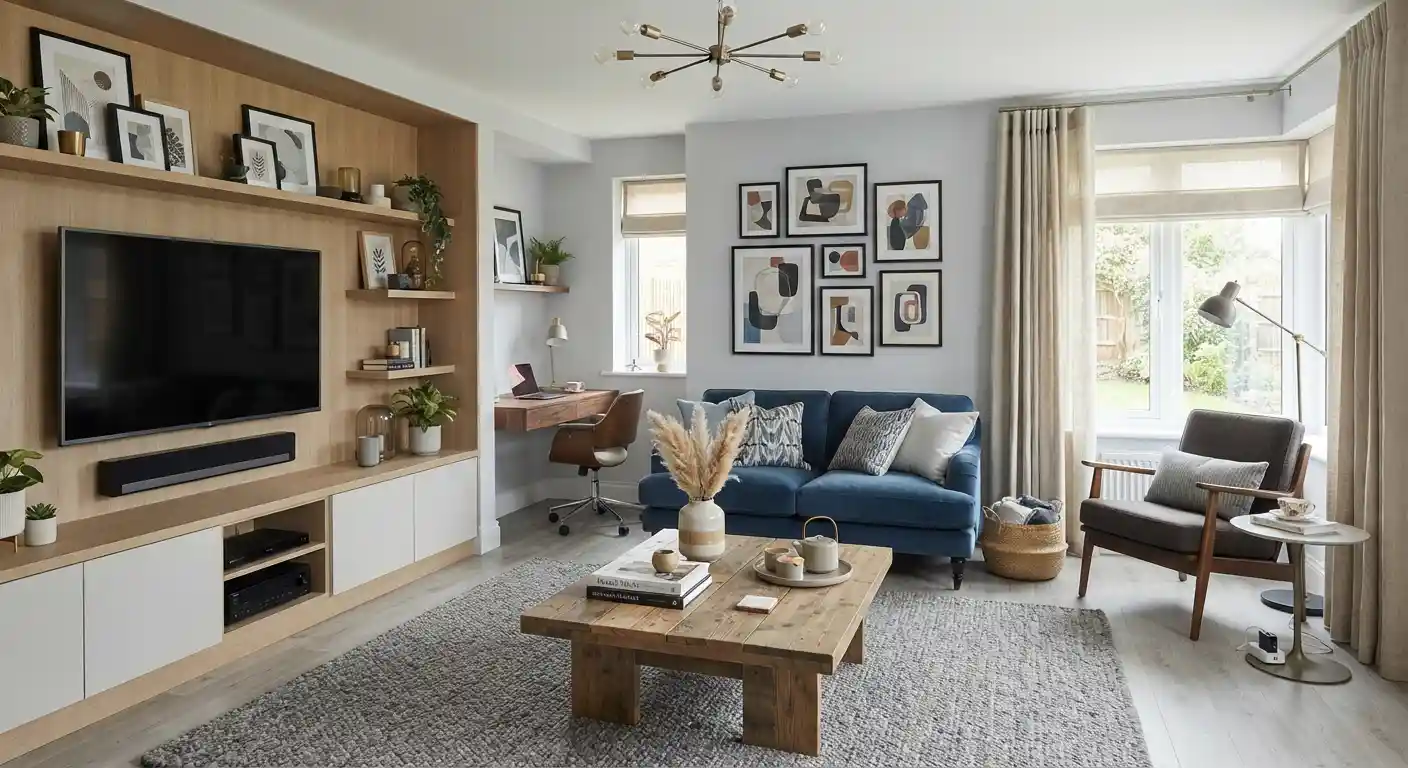
The living room is often the heart of a home. It is where families relax after a busy day, guests are welcomed, conversations take place, and everyday moments are shared. Because of its many purposes, creating a living room that looks attractive while remaining practical requires thoughtful planning.
A stylish living room does not necessarily require expensive furniture or a complete renovation. Simple improvements to the layout, lighting, window treatments, colors, textures, and accessories can make a significant difference. The goal is to create an environment that feels comfortable, organized, and visually balanced.
Start With the Right Furniture Layout
Furniture placement is one of the most important factors in creating a functional living room. Even attractive furniture can make a room uncomfortable if it is positioned without considering movement and available space.
Begin by identifying the main purpose of the room. If the living room is primarily used for family gatherings, seating should encourage conversation. If entertainment is the main focus, furniture may need to face a television or media unit.
Avoid placing furniture in locations that block doors, windows, or natural walking routes. Leaving enough space between major pieces makes the room easier to navigate and gives the interior a more open appearance.
The size of furniture should also match the dimensions of the room. Large pieces can provide excellent comfort in spacious interiors, while smaller rooms may benefit from furniture with a lighter visual profile.

Choose a Comfortable Seating Arrangement
A living room should look good, but comfort should always remain a priority. Seating needs to accommodate the household without making the room feel overcrowded.
A sofa can become the central feature of the room, with additional chairs or smaller seating pieces positioned around it. The arrangement should provide enough space for people to sit comfortably while keeping conversation easy.
Consider the depth, height, fabric, and overall proportions of the furniture before making a decision. Practical materials can be particularly useful in busy households because they are easier to maintain.
Use Window Treatments to Transform the Room
Windows have a major influence on the appearance and atmosphere of a living room. The right window treatments can control natural light, improve privacy, and contribute to the overall interior design.
Well-designed curtains in dubai can become an important decorative feature while also providing practical benefits. The fabric, color, length, and hanging position can all affect how large and elegant the room feels.
For example, curtains that extend from close to the ceiling toward the floor can create the impression of greater height. Light-colored fabrics can make a room feel brighter, while heavier materials can provide a warmer and more intimate atmosphere.
The surrounding furniture and wall colors should also be considered when selecting curtains. Coordinating these elements creates a more cohesive interior rather than making the window treatment appear disconnected from the rest of the room.
Make Natural Light Work for You
Natural light can dramatically improve a living room. Instead of blocking windows with bulky furniture or unnecessarily heavy coverings, arrange the room so that daylight can enter comfortably.
Mirrors can also help distribute natural light. Placing a mirror opposite or near a window can reflect daylight deeper into the room and create a brighter visual effect.
However, excessive sunlight can sometimes cause glare or make the room uncomfortably warm. Window treatments allow homeowners to control the amount of light throughout the day while maintaining privacy.
Create a Balanced Color Palette
Color is another powerful tool for improving a living room. A successful color palette does not need to contain many different shades. In many cases, two or three complementary colors are enough.
Neutral shades such as beige, cream, white, taupe, and soft grey create versatile foundations. Accent colors can then be introduced through cushions, artwork, rugs, curtains, and decorative accessories.
The amount of natural light should also influence color choices. Darker rooms may benefit from lighter tones, while bright spaces can accommodate richer colors more easily.
A consistent palette helps different elements of the room work together and prevents the interior from feeling visually chaotic.
Add Texture for More Depth
A room can feel flat when every surface has a similar appearance. Introducing different textures creates depth and makes the living room more inviting.
Soft cushions, woven rugs, wooden furniture, textured curtains, ceramic accessories, and decorative throws can all contribute to a layered interior.
Texture is especially useful when working with neutral colors. Instead of relying on strong shades to create visual interest, variations in material can provide subtle contrast.
For example, a smooth coffee table can be balanced with a textured rug, soft upholstery, and woven accessories. These combinations make the room feel more comfortable without overwhelming the design.
Choose Lighting in Layers
One central ceiling light is rarely enough to create the right atmosphere in a living room. Layered lighting provides greater flexibility and can make the space feel more sophisticated.
General lighting should provide sufficient illumination throughout the room. Floor lamps and table lamps can then create softer areas of light, while accent lighting can highlight artwork, architectural details, or decorative objects.
Warm-toned lighting is generally suitable for relaxing areas because it creates a comfortable atmosphere. Brighter lighting may be useful when the room is being used for reading, working, or other detailed activities.
Decorative light fixtures can also contribute to the visual identity of the room. A stylish pendant or floor lamp can serve as both a functional light source and a design feature.
Create a Practical Focal Point
Every living room benefits from having a visual focal point. This could be a fireplace, large window, artwork, media wall, statement sofa, or carefully designed feature wall.
Once the focal point has been identified, arrange other elements around it rather than allowing several objects to compete for attention.
A large piece of artwork above the sofa, for example, can provide a strong visual anchor. Similarly, an attractive window treatment can draw attention toward the natural light entering the room.
The focal point should complement the rest of the design instead of overwhelming it.
Use Rugs to Define the Seating Area
Rugs can improve both the appearance and functionality of a living room. They add warmth underfoot and can visually connect furniture pieces.
A correctly sized rug helps establish the boundaries of the seating area. When the main furniture relates to the rug, the room can feel more organized and intentional.
Choose the rug according to the size and style of the space. A subtle neutral design can complement a room with colorful furniture, while a patterned rug can add personality to a more restrained interior.
Keep Clutter Under Control
A stylish living room can quickly lose its appeal when everyday items are left everywhere. Storage therefore plays an important role in maintaining an organized space.
Use cabinets, shelves, baskets, storage furniture, and sideboards to give frequently used items a designated place. Keeping unnecessary objects out of sight creates a cleaner visual environment.
Open shelving can be useful for displaying books, plants, photographs, and decorative pieces, but it should not become overcrowded.
A useful approach is to regularly review decorative items and remove anything that no longer contributes to the room.
Add Greenery and Natural Elements
Indoor plants can introduce life and color into a living room. They work particularly well with modern interiors because their organic shapes soften straight furniture lines and hard surfaces.
Wood, rattan, stone, linen, and other natural materials can also make the room feel warmer. These materials complement both traditional and contemporary interiors.
Plants do not have to be large to make an impact. Smaller varieties can be placed on shelves or side tables, while larger plants can fill unused corners.
Make the Room Suitable for Everyday Life
A living room should not feel like a showroom that is difficult to use. Functionality should remain at the center of the design.
Consider how the household actually uses the room. If people regularly eat snacks while watching television, a practical coffee table may be important. If children use the space, durable fabrics and easily maintained surfaces may be more suitable.
Similarly, if guests frequently visit, additional seating should be easy to provide without permanently filling the room.
Designing around real habits creates an interior that remains attractive while being genuinely useful.
Pay Attention to Curtain Length and Placement
Small details can have a surprisingly large effect on the final appearance of a living room. Curtains are a good example.
Curtains that are too short can make a room appear visually lower, while appropriately positioned full-length curtains can emphasize vertical space. The width should also be sufficient to allow the fabric to fall naturally when closed.
The curtain rod or track should be positioned carefully so that the window remains visually balanced. Extending the treatment beyond the window frame can also help make the window appear larger.
For homes where temperature, sunlight, and privacy are important considerations, choosing suitable window treatments can improve everyday comfort as well as decoration.
Personalize the Space
A stylish living room should reflect the personality of the people who live there. Personal touches make an interior feel authentic rather than copied from a showroom.
Family photographs, artwork, books, travel memories, handmade accessories, and meaningful decorative objects can all add character.
Personalization does not mean filling every surface. A small number of carefully selected items can be more effective than excessive decoration.
The best approach is to combine personal pieces with the room’s existing colors, textures, and furniture so everything feels connected.
Refresh the Room With Small Changes
You do not need to redesign the entire living room whenever you want a fresh appearance. Small updates can make a noticeable difference.
Changing cushions, throws, rugs, artwork, plants, lampshades, or curtains can introduce a new look without replacing major furniture.
Seasonal updates can also keep the room feeling fresh. Lighter fabrics and brighter accents may work well during warmer periods, while deeper colors and heavier textures can create a cozy atmosphere during cooler months.
These changes are affordable compared with a complete renovation and allow homeowners to experiment with different styles.
Think About the Room as a Complete Design
A successful living room is created when individual elements work together. Furniture, lighting, curtains, colors, flooring, accessories, and artwork should each contribute to the overall atmosphere.
Instead of choosing every item separately, consider how each new addition will interact with what is already in the room. A new sofa should complement the existing flooring and wall colors. Curtains should work with both the furniture and the amount of natural light. Accessories should enhance the room without creating clutter.
This holistic approach makes the final interior feel more intentional.
Final Thoughts
Creating a stylish and functional living room is largely about making thoughtful choices rather than following every interior design trend. Comfortable furniture, an effective layout, balanced colors, layered lighting, useful storage, and carefully selected accessories can transform an ordinary room into an inviting space.
Window treatments also deserve attention because they influence light, privacy, proportions, and overall appearance. Choosing suitable curtains in dubai can help complete the design while providing practical benefits throughout the day.
The most successful living rooms combine beauty with everyday usability. By focusing on comfort, proportion, organization, lighting, texture, and personal style, homeowners can create a space that feels modern, welcoming, and enjoyable for years to come.
Related Reading: Most Stylish Women’s Clothing
Related Reading: JUUL 2 Device Price and RELX Dubai: UAE Pack Myths